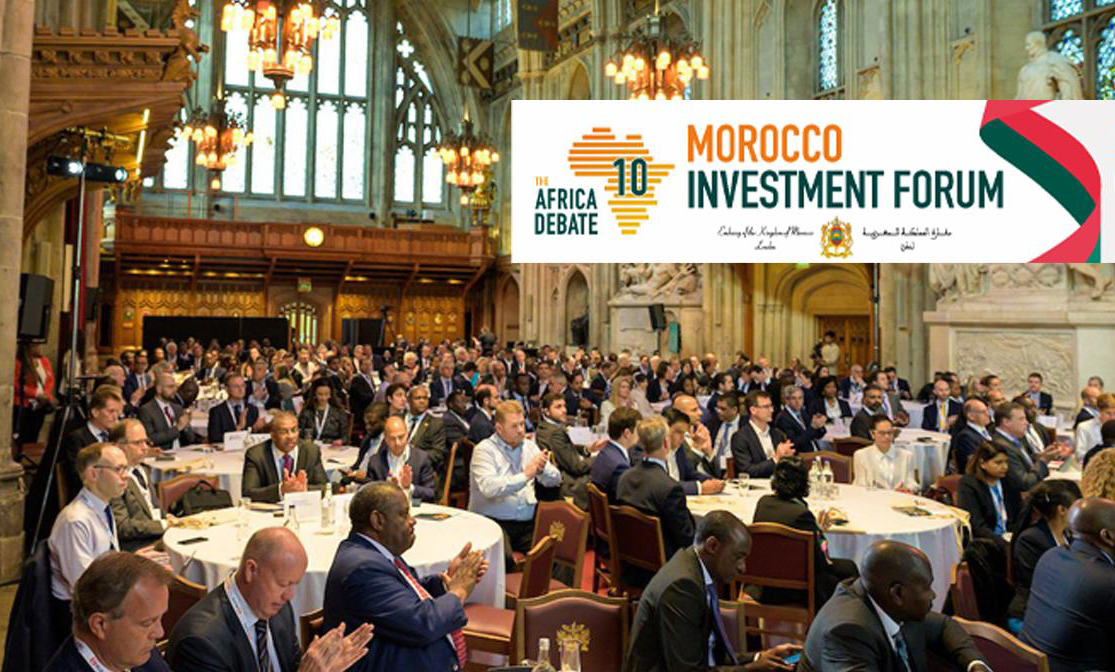
Morocco is standing at the threshold of a transformative decade. No longer just a destination for leisure and historical tourism, the Kingdom is rapidly evolving into a global powerhouse for high-stakes diplomacy, groundbreaking technology, and world-class sporting spectacles.
Between 2026 and 2030, Morocco will host a series of monumental events that are set to redefine its infrastructure, boost its economic trajectory, and elevate its international standing to unprecedented heights.
This "Decade of Delivery" is strategically anchored by two massive pillars: the consolidation of Morocco as Africa's premier business and tech hub and its role as a co-host for the 2030 FIFA World Cup.
For global investors, international travelers, and football fans, Morocco's roadmap is a masterclass in national ambition. Here is a detailed exploration of the top upcoming events that will draw millions of visitors to Moroccan shores.
1. Sporting Excellence: Stadiums with international Standards
Sports are the primary engine for Morocco’s massive infrastructure overhaul. The Kingdom is leveraging these events to modernize its transport networks, hospitality sector, and urban centers.
The FIFA World Cup Qualification & Impact
While the 2026 FIFA World Cup itself takes place in North America, this year is a pivotal one for the "Atlas Lions." Following their historic performances in recent years, the eyes of the world remain fixed on the Moroccan national team.
- Continental Warm-up: Morocco has hosted the Africa Cup of Nations (AFCON) for the first time in its history. This event will serve as the ultimate operational "stress test" for the 2030 World Cup. In the near future, stadiums in Rabat, Tangier, and Agadir will have benefited from massive upgrades, demonstrating Morocco's capacity to manage high-capacity international crowds with top-tier security.
- Fanbase Growth: The excitement surrounding the AFCON qualifiers will drive a surge in sports tourism, as fans from across Africa and Europe travel to see one of the world's most thrilling teams compete in their home stadiums.
2030 FIFA World Cup: The "Grand Stade Hassan II" Milestone
The 2030 World Cup is the jewel of the decade. This joint bid with Spain and Portugal is a national project of transformation.
- The Grand Hassan II Stadium: Located in Benslimane, near Casablanca, this architectural marvel is designed to hold 115,000 spectators. It is not just a stadium; it is a statement of intent. Designed and realised by Moroccan architects, it aims to be the largest and most technologically advanced football venue in the world, positioning Morocco as a prime candidate to host the World Cup Final.
- Urban Connectivity: To support the millions of expected fans, Morocco is executing the LGV (High-Speed Train) extension project. By 2030, the Al Boraq high-speed line will connect Tangier, Rabat, Casablanca, Marrakech, and Agadir, allowing fans to travel between host cities in record time.
2. Economic and Technological Hubs
Morocco is positioning itself as the bridge between Africa, Europe, and the Middle East. Its economic events are increasingly focused on green energy, digital transformation, and finance.
GITEX Africa Morocco
GITEX Africa has quickly become the continent’s largest and most influential tech and startup event.
- The Tech Epicenter: Scheduled yearly in Marrakech for April or May since 2023, this large tech event brings together over 1,000 exhibiting companies and thousands of global investors.
- Focus Areas: The event highlights AI innovations, Fintech, and Digital Cities. It serves as a launchpad for African "unicorns," ensuring that Marrakech remains a premier destination for business tourism (MICE).
Marrakech Air Show
As a growing leader in aerospace manufacturing, Morocco hosts the Marrakech Air Show, a premier international exhibition for aerospace and defense.
- Scale: This event attracts global giants like Boeing, Airbus, and Lockheed Martin.
- Industrial Growth: It highlights Morocco's burgeoning aerospace sector, which now exports over $2 billion in parts annually. The 2026 edition is expected to see record-breaking deal-signing ceremonies.
UN Economic Commission for Africa
This year, Tangier has been honored by welcoming the 58th session of the Conference of African Ministers of Finance, Planning, and Economic Development.
- Theme: "Growth through innovation: harnessing data and frontier technologies for the economic transformation of Africa."
- Impact: This summit reinforces Tangier’s role as a strategic gateway where African economic policy meets global market interests.
3. Cultural Prestige: Soft Power on the Global Stage
Morocco’s "soft power" is rooted in its rich heritage. The period between 2026 and 2030 will see these festivals scale up to meet the needs of an increasingly globalized audience.
Marrakech International Film Festival (FIFM)
Held annually in late November, this festival is often called the "Cannes of Africa."
- 2026–2030 Evolution: As Morocco invests in the Ouarzazate Film Studios (the "Hollywood of Africa"), the FIFM will evolve from a screening event into a massive industry market. Expect a significant increase in high-budget co-productions between Moroccan and international studios.
- Global Stars: The festival consistently attracts A-list talent, with past guests including Martin Scorsese and Tilda Swinton, further cementing Marrakech’s status as a global cultural capital.
Mawazine: Rhythms of the World (Rabat)
Mawazine is consistently ranked among the largest music festivals in the world, often surpassing 2.5 million attendees.
- Strategic Expansion: Leading up to the 2030 World Cup, the festival is expected to expand its stages in Rabat and Salé to include more diverse global lineups, acting as a cultural curtain-raiser for the international crowds arriving for the sports season.
Gnaoua World Music Festival (Essaouira)
In June 2026, the spiritual rhythms of Essaouira will once again draw musicologists and youth from around the world.
- UNESCO Heritage: This festival is a key pillar of Morocco’s "niche" cultural tourism, focusing on authenticity and spiritual heritage, offering a different pace from the high-energy events in Casablanca and Marrakech.
4. The 2030 Vision: Infrastructure & Legacy
The true event in Morocco is the country’s physical metamorphosis. The events are the reason, but the infrastructure is the legacy.
Airport Expansions: The Sky is the Limit
By 2030, the Mohammed V International Airport in Casablanca and the Marrakech-Menara Airport will undergo massive expansions.
- Investment: Over 3.3 billion dirhams is being funneled into 12 airport projects in 2026 alone.
- Capacity: The goal is to create "smart airports" capable of processing the record-breaking growth in air travel, ensuring that the first and last impression of Morocco for every 2030 visitor is one of world-class efficiency.
Green Energy & Hydrogen Summits
Morocco is a global leader in renewable energy. Throughout 2027 and 2028, the Kingdom will host several high-level Green Hydrogen Summits.
The Goal: Attracting the $7 billion+ investment needed for Morocco's "Green Hydrogen" project, which aims to export clean energy to Europe by 2030. These summits are vital for the Kingdom’s "Green 2030" vision, ensuring the World Cup is powered by sustainable energy.
The journey from 2026 to 2030 represents Morocco’s "coming of age" on the global stage. Each event is a brick in a larger structure of national development. The economic summits bring the capital; the cultural festivals bring the soul; and the sporting events bring the world together.
For the international visitor, Morocco in the late 2020s will offer a unique blend of ancient tradition and futuristic ambition. Whether you are coming to witness the world’s largest stadium rise from the dust of Benslimane or to discuss the future of AI in Marrakech, one thing is certain: All roads lead to Morocco.
The Kingdom is not just hosting events; it is hosting the future: Given the massive scale of the 2030 World Cup, hotel capacity in host cities is expected to be at a premium. Investors and frequent travelers should keep a close eye on the "Morocco 2030" development updates to capitalize on the new hospitality and transport opportunities emerging across the Kingdom.